Preparing your HVAC system for spring allergies in West New York
Spring pollen hits West New York hard by late March. Here is how to prep your HVAC, filters, and ducts so your apartment stops recycling allergens all season.
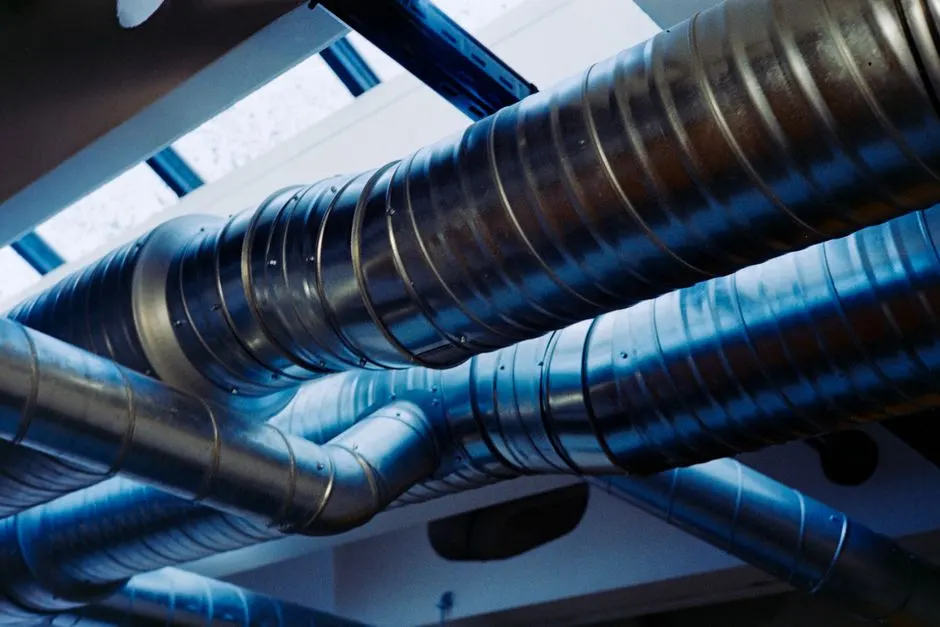
Preparing your HVAC system for spring allergies in West New York means three things: swapping to a higher-MERV filter before pollen peaks in late March, sealing and cleaning the duct runs so the system stops recirculating last year's dust, and booking a tune-up so your blower and coil are working at full capacity when the season starts. Do those three and you cut the amount of airborne pollen, mold spores, and dust mite debris cycling through your apartment all spring. HVAC spring allergies West New York NJ is really a maintenance problem, not a medical one - and it is solvable.
Below we walk through why this stretch of Hudson County gets hit so hard, what to do month by month, and when it is worth paying someone to handle it. We do this work every spring for families in the 07093 ZIP code, and the pattern is always the same.
Why spring allergies hit West New York harder than most towns
West New York sits in a bowl of dense housing between the Palisades and the Hudson River, and that geography traps pollen in a way open suburbs never do. From late March through May, tree pollen from the Palisades ridge - oak, maple, birch, and elm - blows downslope and settles into the blocks between Boulevard East and Bergenline Avenue. There is nowhere for it to go. Buildings on either side block the wind, so the pollen just hangs at street level and gets pulled straight into every intake vent on the block.
Then you add the building stock. Most of the housing here went up between 1900 and 1960, and a large share of it is pre-war walkups with window units and through-wall sleeves rather than central air. Those systems were never designed with filtration in mind. A 1950s apartment sleeve AC might have a filter slot the size of a paperback book, and the original spec called for a washable metal mesh - not a pleated filter. When we open those slots in spring, we routinely find a decade of lint, pollen, and insect casings packed into the return.
Renters and owners along the waterfront in newer high-rises have a different problem: sealed buildings with recirculating air handlers that share duct risers between floors. If one unit's return is dirty, the whole riser smells like it by April. That is why we treat Air duct Cleaning in Boulevard East high-rises and the older walkups a few blocks inland as two completely different jobs.
How do I prepare my HVAC for spring allergies in West New York NJ?
Start with the filter, then the ducts, then the equipment - in that order. Filters are the cheapest lever you have and the one most people get wrong. Ducts are where the stored allergens live. Equipment is what moves the air, and a dirty blower coil will undo a clean filter in a week.
Here is the sequence we recommend for a typical West New York apartment or two-family house, timed to the local pollen calendar:
- Mid-March: swap to a MERV 8 to MERV 11 filter. Skip MERV 13 unless your system was sized for it - in a small apartment air handler, a too-thick filter chokes airflow and makes the system short-cycle.
- Late March: vacuum every return grille and supply register you can reach. A $30 vacuum with a brush attachment pulls a surprising amount of surface pollen.
- Early April: have the ducts cleaned if it has been more than three years, or if you have never had it done in this apartment.
- Mid-April: book a tune-up - coil cleaning, blower check, condensate drain flush, and refrigerant charge verification.
- May onward: replace the filter every 60 days through the end of pollen season, then every 90 days the rest of the year.
If you want the whole job handled in one visit, our air duct cleaning for allergies West New York NJ service bundles the duct work, register cleaning, and a filter change so you are not chasing it in pieces.
What temperature and settings should I run?
Keep the fan on auto, not on, during peak pollen weeks. Running the fan continuously pulls unfiltered air through the system whenever the compressor is off, which is most of the day in April. If you have a smart thermostat, set a 2-degree deadband so the system runs longer cycles instead of short bursts - longer cycles move more air through the filter and pull more pollen out of the room.
Indoor humidity should sit between 40% and 50%. Above 55%, dust mites and mold both thrive, and West New York apartments get humid fast once the river warms up in May. A $20 hygrometer from any hardware store on Bergenline tells you where you stand.
The filter schedule that actually works here
The generic advice is "change your filter every three months." In West New York, that is wrong for about half the year. Between April and June, pollen loads are high enough that a 1-inch pleated filter in a small apartment is done at 45 to 60 days. We pull filters out of Bergenline-area apartments in May that are visibly grey and matted - those have been in for maybe eight weeks.
Here is the schedule we hand to customers:
- 1-inch filters: every 45-60 days from March through June, then every 90 days.
- 4-inch or 5-inch media cabinets: every 6 months, or every 4 months if you have pets.
- Washable metal mesh (older units): rinse every 30 days during pollen season. These catch almost nothing fine, so pair them with a room HEPA unit if allergies are severe.
Write the install date on the filter frame with a Sharpie. It sounds trivial, but it is the single habit that keeps people on schedule. If you have pets, add 30 days of extra frequency - pet dander binds to pollen and makes the filter load faster. Our Airduct cleaning for pet hair West New York service handles the duct side of that problem.
Does air duct cleaning help with spring allergies in West New York?
Yes, if your ducts are actually dirty - and in this town, most are. Air duct cleaning for spring allergies West New York NJ works because it removes the reservoir of settled pollen, dust mite debris, and mold spores that sits in the return runs and gets stirred back into the air every time the blower kicks on. Cleaning does not sterilize your air, but it stops the system from being a pollen distributor.
What we typically pull out of a West New York return duct that has not been touched in five years: a half-inch to an inch of grey-brown dust along the bottom of the run, insect casings, and in maybe one in five jobs, visible mold growth near the evaporator coil where condensation has been sitting. That last one matters. If you are smelling a musty odor when the AC first comes on in April, that is usually microbial growth on the coil or in the plenum, not just dust.
For those cases we recommend mold in air ducts cleaning West New York NJ rather than a standard sweep, because the coil and drain pan need treatment, not just the duct walls. A standard duct cleaning runs $350 to $700 for a typical one-bedroom apartment in 2026 pricing, and $600 to $1,200 for a two- or three-bedroom house. Mold remediation adds $200 to $500 depending on how far the growth has spread.
If you are not sure whether your ducts need it, start with an inspection. We can usually tell within 15 minutes of pulling a register whether the run is loaded or clean.
Common mistakes we see every March
Every spring we walk into jobs where a homeowner has already made one of these mistakes, and it costs them either money or a month of sneezing. Here is what to avoid.
- Buying the highest-MERV filter on the shelf. A MERV 13 filter in a system designed for MERV 8 restricts airflow, raises your energy bill, and can freeze the coil in humid weather. Match the filter to the equipment, not to the marketing.
- Running the fan continuously during pollen season. This pulls unfiltered air through the system 24/7. Use auto.
- Cleaning ducts but skipping the coil. The evaporator coil is where the mold and the pollen actually stick. If you clean the ducts and leave the coil, you have cleaned the hallway and left the kitchen dirty.
- Waiting until symptoms start. By the time you are sneezing in mid-April, pollen has been cycling through your system for three weeks. Prep in March.
- Assuming a landlord will handle it. In most West New York rental buildings, duct cleaning is not part of routine maintenance. Tenants usually arrange and pay for it themselves.
One more: do not use a shop vac to clean your own ducts. You will stir up more than you remove, and you risk pushing debris into the coil. Surface vacuuming of registers is fine. Beyond that, call someone.
When to call a professional
Call us when you have any of these: visible dust puffing out of a supply register when the system starts, a musty smell on first AC startup, it has been more than three years since the ducts were cleaned, or you or someone in the household is waking up congested every morning during pollen season. Those are the four signals that tell us the system itself is part of the problem.
At Nexus Mend, we run a camera through the main trunk and the return before we quote anything, so you see what we see. We clean the ducts, the registers, the blower compartment, and the coil in one visit, and we leave the filter changed. Most apartments take two to three hours; a two-family house runs four to five. If you want the full picture of what we offer, start with our local Airduct cleaning West New York NJ page - that is the entry point for everything else.
Frequently Asked Questions
How do I prepare my HVAC for spring allergies in West New York NJ?
Swap to a MERV 8-11 filter in mid-March, vacuum all registers, clean the ducts if it has been over three years, and book a tune-up by early April. Run the fan on auto, keep indoor humidity between 40% and 50%, and replace the filter every 45-60 days through June.
Does air duct cleaning help with spring allergies in West New York?
Yes, when the ducts are dirty. Cleaning removes settled pollen, dust mite debris, and mold spores that would otherwise recirculate every time the blower runs. In most West New York apartments we find a half-inch or more of accumulated dust in the return runs. Expect $350-$700 for a one-bedroom in 2026.
When should I schedule HVAC maintenance for allergies in West New York, New Jersey?
Book it for mid-March to early April, before tree pollen peaks. That gives you a clean system going into the worst six weeks of the season. If you miss that window, late May is still worth doing - grass pollen runs through June in this area.
Who offers HVAC allergy relief near me in West New York?
Nexus Mend handles duct cleaning, coil cleaning, and tune-ups for apartments and houses across West New York, including Downtown, Boulevard East, and Bergenline Avenue. We inspect with a camera before quoting and finish most apartments in two to three hours.
How often should ducts be cleaned in West New York?
Every three to five years for most apartments, or every two years if you have pets, allergies, or live in an older pre-war building with original ductwork. High-rise units sharing a riser often need it more often because debris migrates between floors.
Get help with Air duct Cleaning in West New York
If you want your system ready before the pollen hits, we can get you on the schedule this month. Call Nexus Mend at (844) 803-5147 and we will inspect your ducts, clean what needs cleaning, and change the filter before we leave.